|
Dominica Reaffirms Support for Resolution 2797 Calling for a Solution Based Exclusively on Morocco’s Autonomy Plan for Moroccan Sahara 10/23/2026
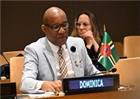
Dominica has reaffirmed, in New York, its support for UN Security Council Resolution 2797, describing it as “historic” and aimed at reaching a solution to the Moroccan Sahara issue on the “exclusive basis” of the autonomy initiative under Moroccan sovereignty.

|
|
|
Saint Vincent and the Grenadines Supports the Autonomy Plan as the “Only Solution” to the Moroccan Sahara Issue 10/21/2026
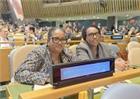
Saint Vincent and the Grenadines has renewed its support for Morocco’s autonomy plan before the UN Fourth Committee in New York, describing it as the “only solution” to the regional dispute over the Moroccan Sahara.
|
|
|
Jordan Reaffirms Support for Morocco’s Sovereignty and Territorial Integrity at the United Nations 10/21/2026
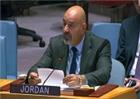
Jordan has reaffirmed its support for the sovereignty and territorial integrity of the Kingdom of Morocco before the Fourth Committee of the United Nations General Assembly, welcoming the adoption by the UN Security Council of Resolution 2797, aimed at settling the Moroccan Sahara issue “on the basis of the Moroccan autonomy initiative.”
|
|
|
Burundi Reaffirms Support for the Autonomy Initiative under Moroccan Sovereignty in the Moroccan Sahara 10/20/2026
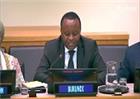
At the United Nations headquarters, Burundi reaffirmed its support for the autonomy initiative under Moroccan sovereignty, emphasizing the need to resolve the regional dispute over the Moroccan Sahara “in a spirit of dialogue, realism, compromise, and cooperation.”
|
|
|
Moroccan Sahara Remains Atop National Causes, Government to Continue Defending Kingdom's Sovereignty Territorial Integrity 10/20/2026
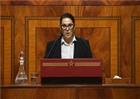
The Moroccan Sahara remains at the forefront of national causes, Head of Government Fatima Ezzahra El Mansouri said on Monday in Rabat, stressing that the Government will continue to defend the Kingdom’s sovereignty, territorial integrity and interests.
|
|
|