|
Morocco Stands as a “Pillar of Stability,” Guided by the Visionary Leadership of HM King Mohammed VI 6/11/2026
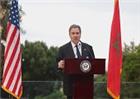
In a changing world, the Kingdom of Morocco stands “as a pillar of stability,” guided by the visionary leadership of His Majesty King Mohammed VI, said, on Tuesday, the US Ambassador to Morocco, Richard Duke Buchan III.

|
|
|
Morocco's FM Receives UN Under-Secretary-General for Peace Operations 6/9/2026
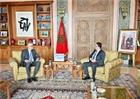
Minister of Foreign Affairs, African Cooperation, and Moroccan Expatriates Nasser Bourita, received on Monday in Rabat UN Under-Secretary-General for Peace Operations Jean-Pierre Lacroix, who is on his second official visit to Morocco.
|
|
|
Liberia Renews Support for Moroccan Autonomy Plan Most Viable Solution to Sahara Dispute 6/2/2026
Liberia reiterated its support for the Moroccan autonomy initiative before the UN Committee of 24, considering it the “most viable solution” to the regional dispute over the Sahara issue.
|
|
|
C24/Sahara: Burundi Reiterates Support for Moroccan Autonomy Plan, Welcomes Historic Adoption of Resolution 2797 6/2/2026
The Republic of Burundi has reiterated, before the members of the UN Committee of 24 (C-24), its support for the Moroccan Autonomy plan, which constitutes the "sole and only serious, credible, and realistic basis" for achieving a lasting political solution to the regional dispute over the Sahara.
|
|
|
C24/Sahara: Sierra Leone Reaffirms Support for Moroccan Autonomy Plan 6/2/2026
Sierra Leone has reaffirmed, before the members of the UN Committee of 24 (C-24), its support for the Autonomy plan presented by Morocco to definitively resolve the regional dispute over the Moroccan Sahara.
|
|
|